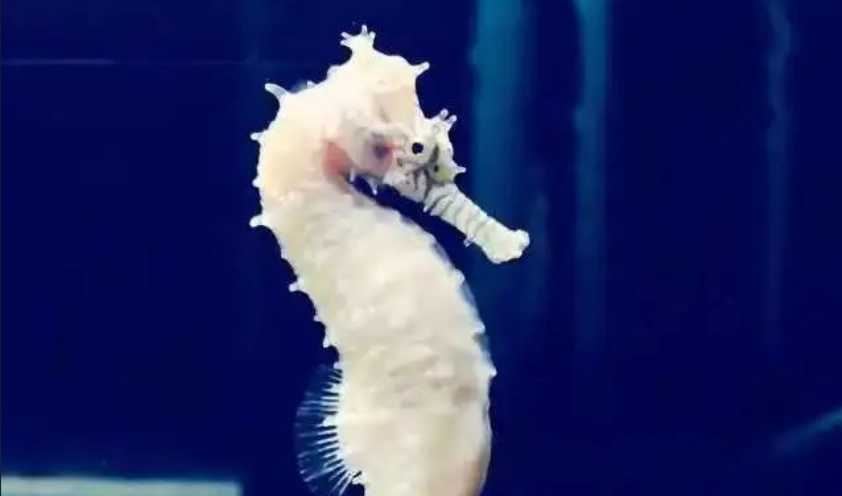
The Enchanting Sea Horses: Nature’s Miniature Marine MarvelsThe Enchanting Sea Horses: Nature’s Miniature Marine Marvels
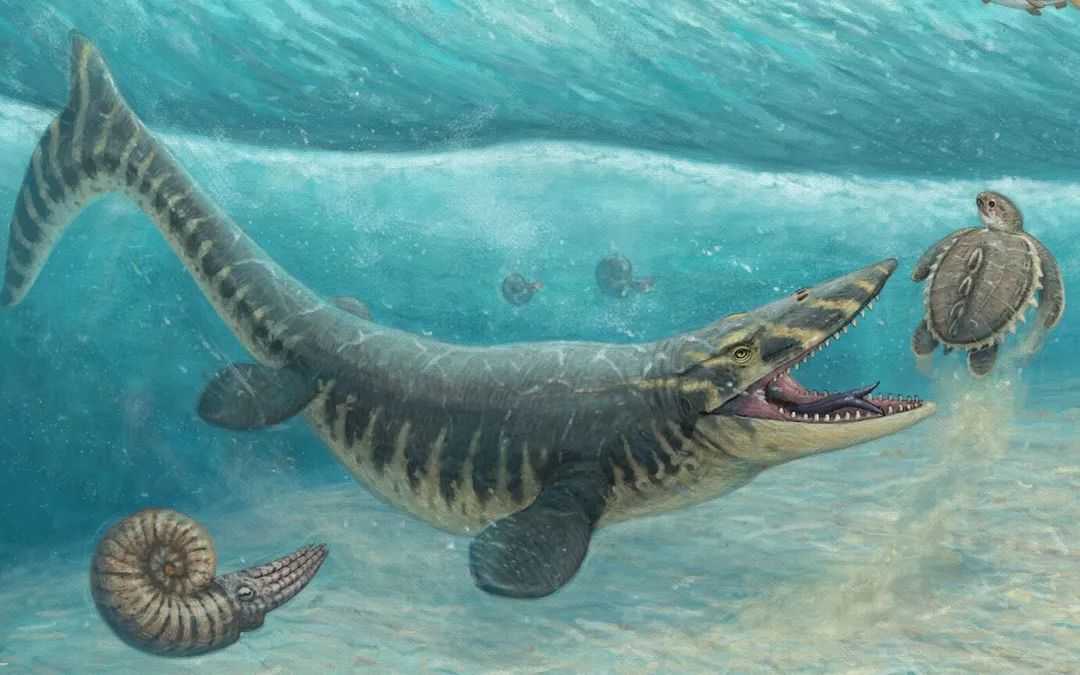
Tylosaurus: The Colossal Marine Reptile of the Cretaceous SeasTylosaurus: The Colossal Marine Reptile of the Cretaceous Seas
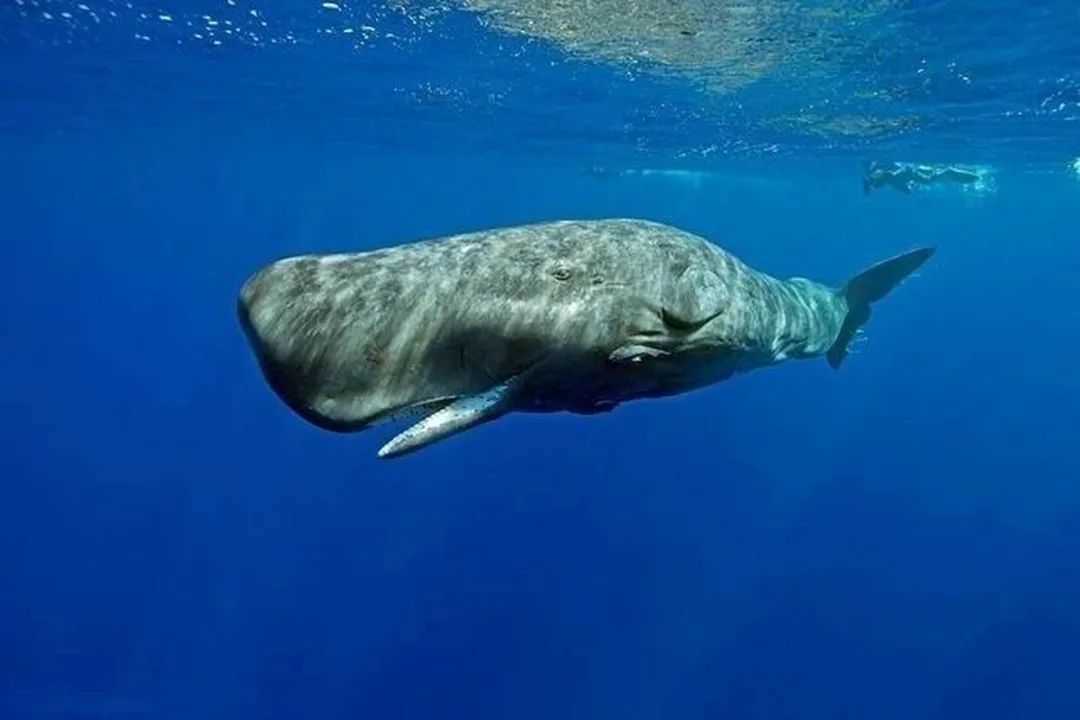
Sperm Whales: Titans of the Deep with Complex LivesSperm Whales: Titans of the Deep with Complex LivesGrowing up to 16 meters in length, sperm whales (Physeter macrocephalus) are defined by their enormous heads, which make up nearly one-third of their body size. These marine giants dominate the deep ocean, blending imposing physiology with a sophisticated social structure that has fascinated scientists for decades. From their coordinated hunting strategies to their mysterious resting behaviors, they embody the ocean’s enigmatic power.
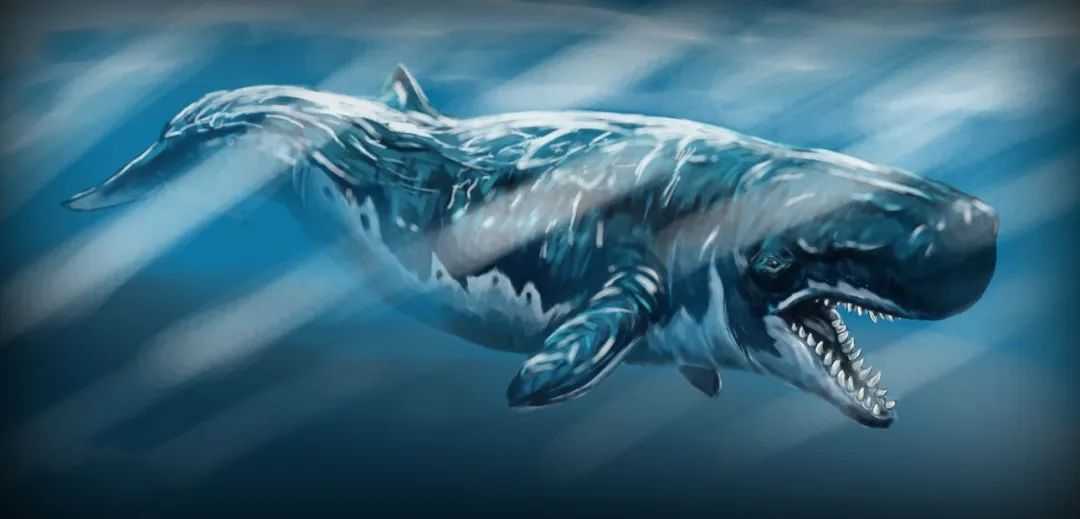
Livyatan melvillei: The Prehistoric Sea Predator That Ruled the OceansLivyatan melvillei: The Prehistoric Sea Predator That Ruled the OceansMeasuring up to 17 meters in length, Livyatan melvillei, a close relative of modern sperm whales, roamed the oceans around 13 million years ago. With a body shape reminiscent of its contemporary kin, this ancient marine mammal may have looked somewhat familiar, but its predatory habits set it apart as a fearsome force in the prehistoric seas.
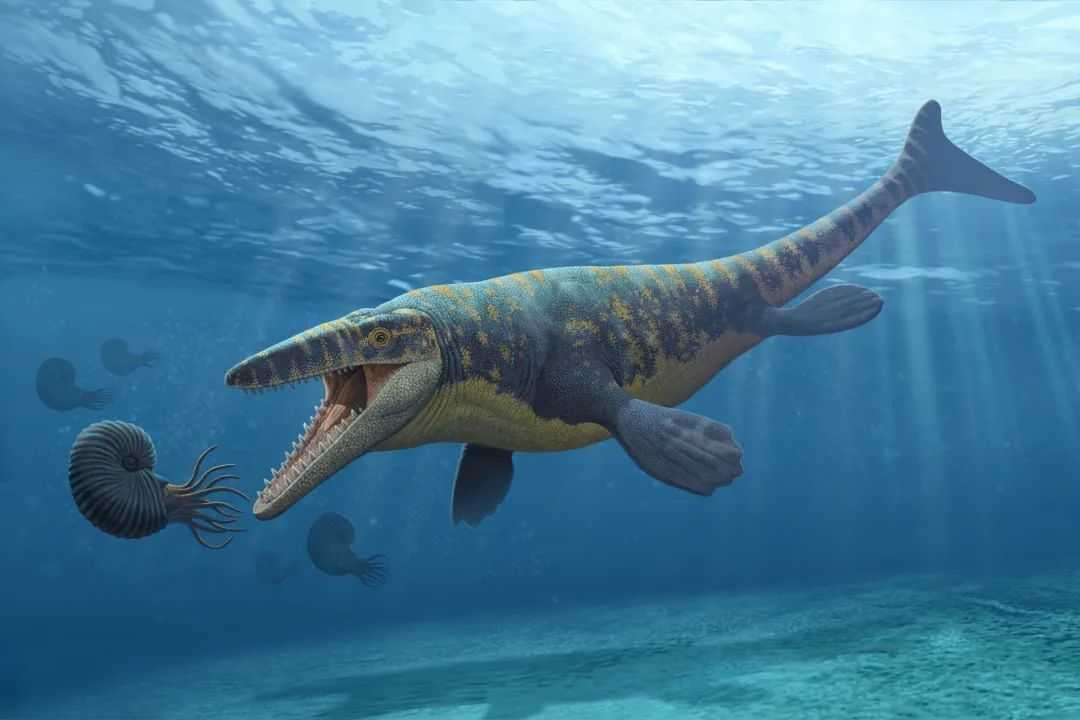
Mosasaurus: The Reptilian Tyrant That Conquered Cretaceous SeasMosasaurus: The Reptilian Tyrant That Conquered Cretaceous SeasDominating the oceans during the late Cretaceous period, Mosasaurus stood as a fearsome marine reptile, measuring over 17 meters in length and reigning as the undisputed apex predator of its time. Unlike modern marine creatures, this colossal beast traced its evolutionary roots to small, land-dwelling lizards, a transformation that culminated in one of the most successful oceanic conquests in prehistory.
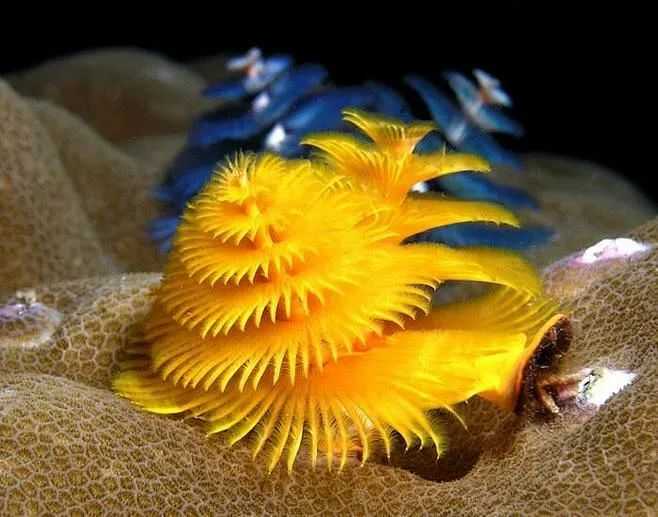
The Festive Wonders of the Reef: Christmas Tree WormsThe Festive Wonders of the Reef: Christmas Tree WormsContrary to their name, Christmas tree worms (Spirobranchus) are not corals but fascinating marine annelids that form symbiotic relationships with hard corals. These tube-dwelling polychaete worms, belonging to the phylum Annelida, are widely distributed in tropical oceans, where their vibrant, spiral-shaped structures add a touch of whimsy to coral reefs. Their common name stems from their striking resemblance to miniature, underwater Christmas trees.
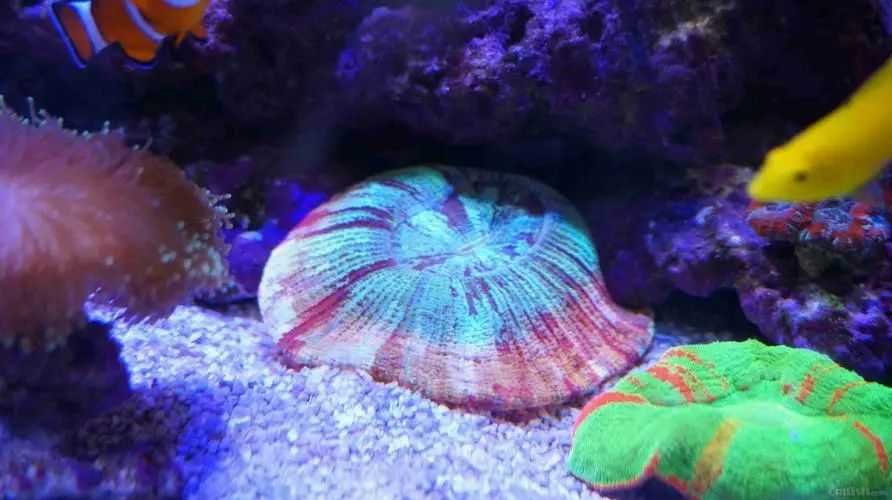
The Alluring Trachyphyllia Geoffroyi: Nature's Underwater ArtworkThe Alluring Trachyphyllia Geoffroyi: Nature's Underwater ArtworkTrachyphyllia geoffroyi, commonly known as the open brain coral or more distinctively, the eight - shaped brain coral, is a captivating species within the Merulinidae family of the class Anthozoa. Predominantly found in the shallow tropical seas of regions like Indonesia, in sandy areas or near reefs, this coral has earned its unique name due to the striking resemblance of its skeleton to the number "8".
Trachyphyllia Geoffroyi: The Enigmatic "Eight-Shaped" Brain Coral of Tropical ReefsTrachyphyllia Geoffroyi: The Enigmatic "Eight-Shaped" Brain Coral of Tropical ReefsTrachyphyllia geoffroyi, commonly known as the open brain coral or "eight-shaped" brain coral, is a striking representative of the Merulinidae family within the class Anthozoa. Thriving in the shallow tropical sands and reef zones of Indonesia and other warm coastal regions, this coral earns its name from its skeletal structure, which famously resembles the numeral "8." Unlike many corals, its growth pattern transforms a simple conical base into a complex, symmetrical form that captivates both scientists and enthusiasts.
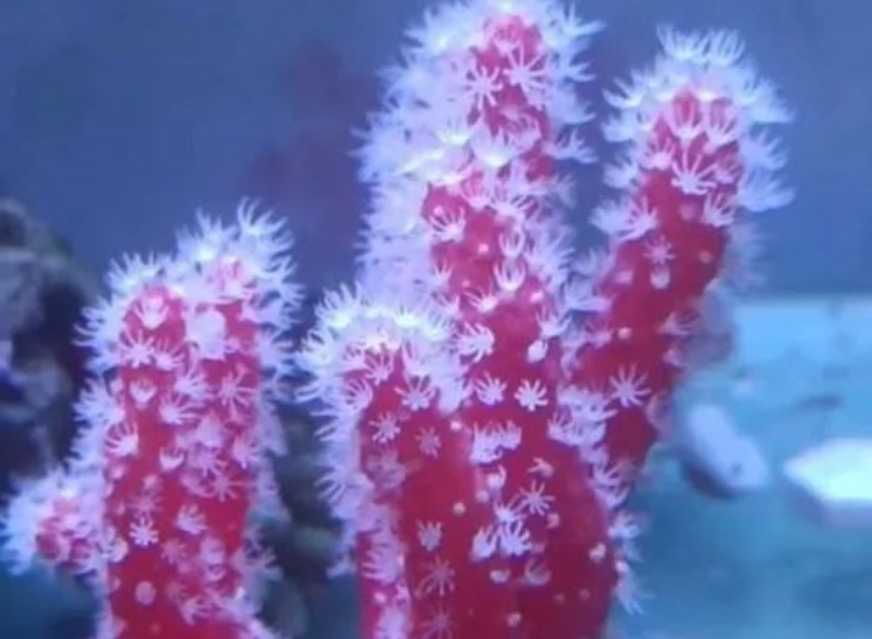
Sinularia asterolobata: The Graceful "Finger Coral" of Tropical ReefsSinularia asterolobata: The Graceful "Finger Coral" of Tropical ReefsSinularia asterolobata, a popular species in the aquarium trade, belongs to the Alcyonacea order within the soft coral family, thriving in the vibrant ecosystems of the Red Sea to the Pacific Ocean. Found in strong-current coral reefs at around 10 meters depth, this marine organism earns its common name from its distinctive morphology: fleshy, rounded structures that resemble a cluster of upturned fingers extending from the ocean floor.
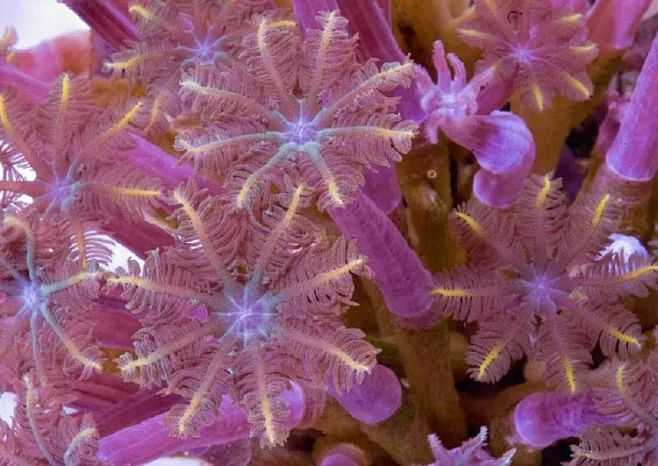
Clavularia spp.: The Alluring Gloves of the Ocean FloorClavularia spp.: The Alluring Gloves of the Ocean FloorClavularia spp., commonly known as glove polyps or gloved hydroids, are enchanting marine invertebrates belonging to the subclass Octocorallia. Revered in the aquarium trade for their stunning appearance and ease of care, these creatures add a touch of underwater elegance to both natural reefs and home aquariums. Their name stems from the unique shape of their extended tentacles, which resemble delicate gloves or blooming petals.
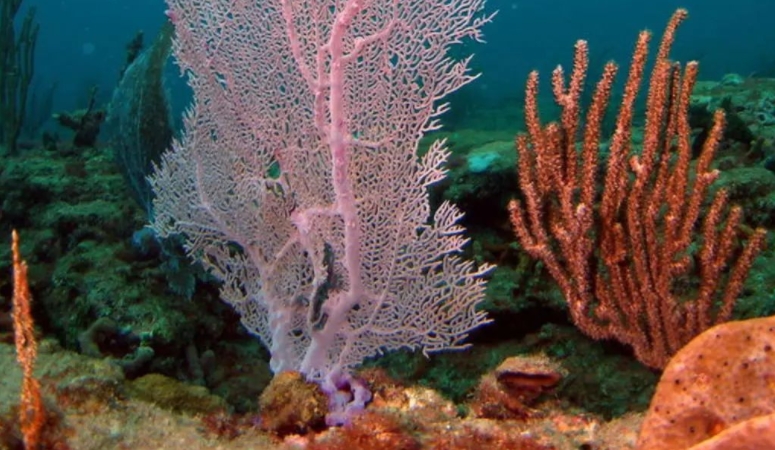
Melithaea spp.: The Graceful Fan Corals of Tropical ReefsMelithaea spp.: The Graceful Fan Corals of Tropical ReefsMelithaea spp., members of the Gorgoniidae family, inhabit the warm reef slopes and caves of the Indo-Pacific Ocean, thriving at depths of 10 to 40 meters. Named for their striking resemblance to unfolded folding fans, these corals are among the most elegant inhabitants of the marine world, blending intricate architecture with vibrant colors to create living masterpieces beneath the waves.
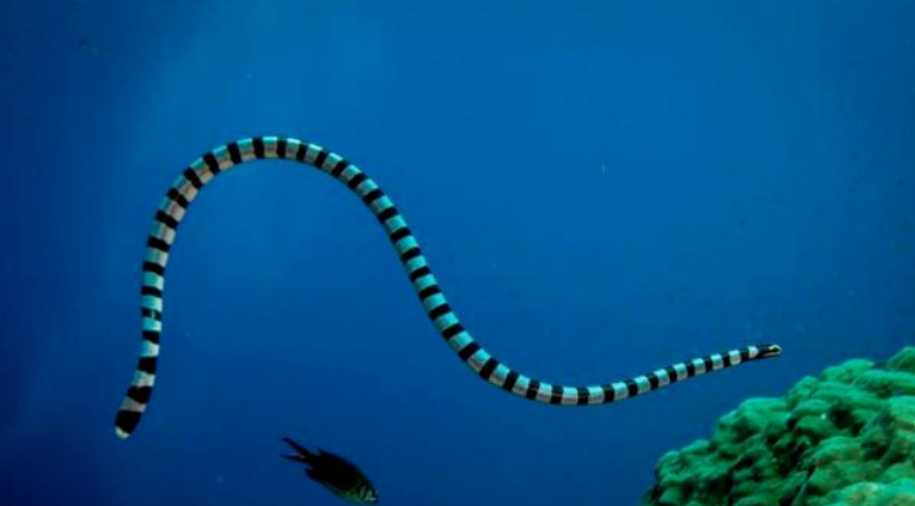
Sea Snakes: Elusive and Venomous Reptiles of the Ocean DepthsSea Snakes: Elusive and Venomous Reptiles of the Ocean DepthsSea snakes, aquatic reptiles adapted to life in marine environments, are among the most fascinating yet misunderstood creatures of the sea. These serpents, closely related to terrestrial cobras, possess a unique set of adaptations that allow them to thrive in saltwater, from paddle-like tails for swimming to specialized glands that excrete excess salt. However, their most renowned feature is their potent venom, a survival tool that has both intrigued and terrified humans for centuries.
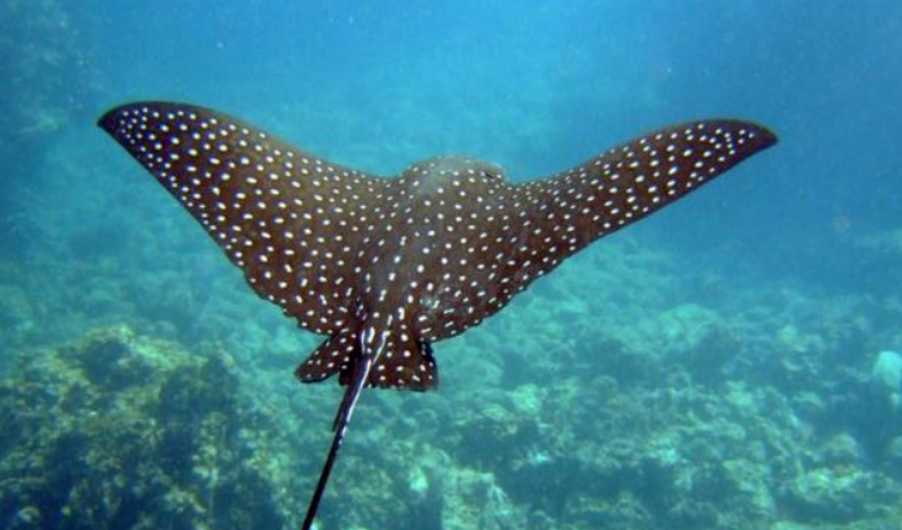
Stingrays: The Formidable Flatfish with a Lethal DefenseStingrays: The Formidable Flatfish with a Lethal DefenseStingrays, scientifically known as Dasyatidae, are cartilaginous fish renowned for their flattened bodies and whip-like tails. These marine creatures, which glide gracefully through the ocean, possess a hidden danger: some species sport one or more serrated venomous spines on their tails. With their distinctive wing-like pectoral fins undulating rhythmically, stingrays combine elegance with a lethal self-defense mechanism that commands caution from both predators and humans.
The Deadly Beauty of the Blue-Ringed OctopusThe Deadly Beauty of the Blue-Ringed OctopusThough small in size, the blue-ringed octopus (Hapalochlaena) is one of the ocean’s most feared creatures, recognizable by the vivid iridescent blue rings that adorn its mantle and arms. Despite measuring just 10–20 centimeters in length, this unassuming cephalopod harbors a neurotoxin so potent that it can kill nearly 30 adult humans within minutes. Its venom, known as tetrodotoxin, is 10,000 times more lethal than cyanide, making it a silent but deadly threat in the tropical and subtropical waters of the Pacific and Indian Oceans.
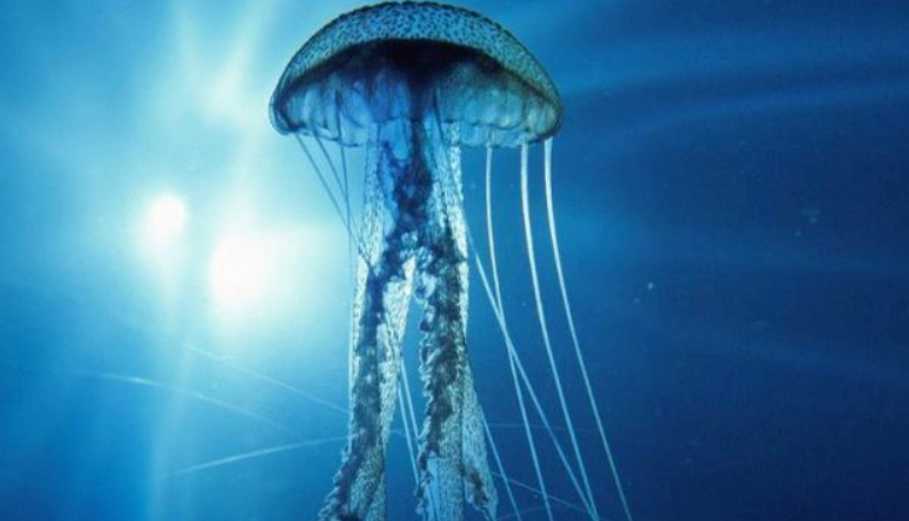
The Deadliest Predator in the Sea: Australia's Box JellyfishThe Deadliest Predator in the Sea: Australia's Box JellyfishConsidered the most venomous creature on Earth, box jellyfish (Chironex fleckeri) inhabit warm coastal waters worldwide, but none are more infamous than the Australian box jellyfish. With a bell-shaped body reaching up to 30 centimeters in diameter and trailing tentacles that can extend over 3 meters, this marine predator possesses a toxin so potent that a single individual’s stings can kill up to 60 adult humans. Its reign as the ocean’s silent killer is unmatched, blending transparency, speed, and lethality into a nightmare for swimmers and divers.
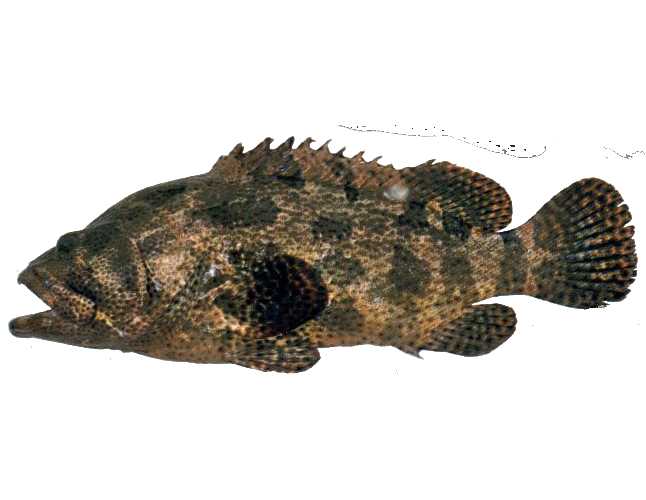
Epinephelus fuscoguttatus: The Elusive Brown-Spotted Grouper of Tropical SeasEpinephelus fuscoguttatus: The Elusive Brown-Spotted Grouper of Tropical SeasEpinephelus fuscoguttatus, commonly known as the brown-spotted grouper or brindlebass, is a striking species of marine fish thriving in the warm waters of the Indo-Pacific region. Renowned for its distinctive coloration and ecological significance, this grouper is characterized by a robust, cylindrical body adorned with small, dark brown to black spots against a light tan or grayish background, creating a camouflage that blends seamlessly with coral reefs, rocky outcrops, and seagrass beds. Growing up to 1.2 meters in length and weighing over 40 kilograms
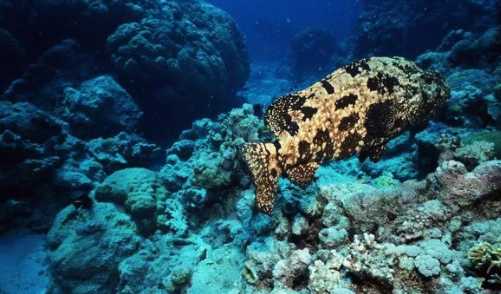
Pearl Grouper: The Hybrid Marvel Redefining Aquaculture and Marine EcologyPearl Grouper: The Hybrid Marvel Redefining Aquaculture and Marine EcologyPearl grouper, scientifically a hybrid of Epinephelus lanceolatus (giant grouper) and Epinephelus fuscoguttatus (brown-spotted grouper), is a captivating fish known by aliases such as dragon-tiger grouper or pearl 斑. Developed through selective breeding in Southeast Asian aquaculture, this hybrid combines the giant grouper’s robust size with the brown-spotted grouper’s vibrant patterns, resulting in a striking appearance: a muscular body adorned with dense, pearl-like spots over a grayish-brown backdrop, with faint tiger-like stripes on its head and fins.
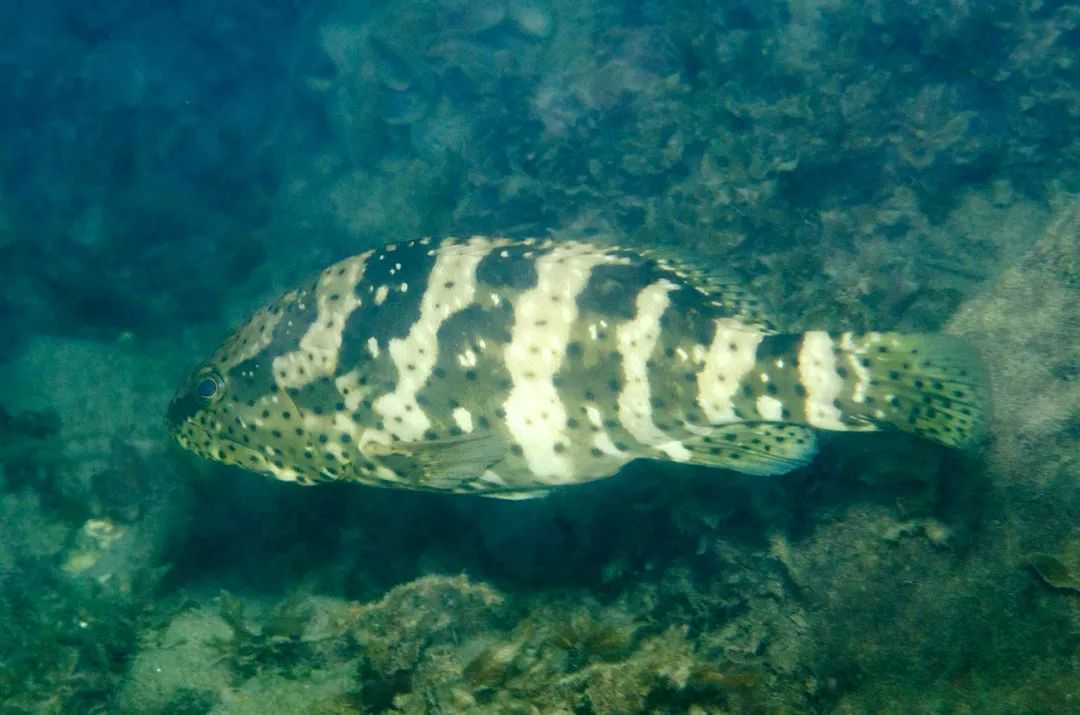
Epinephelus coioides: The Resilient "Green Grouper" of Tropical WatersEpinephelus coioides: The Resilient "Green Grouper" of Tropical WatersEpinephelus coioides, commonly referred to as the green grouper or blue-spotted grouper, is a prominent marine fish species inhabiting the tropical and subtropical waters of the Indo-Pacific region. Renowned for its distinctive appearance and ecological significance, this grouper has earned its nickname "green grouper" from its olive-green to grayish body, adorned with irregular blue or black spots that serve as effective camouflage against coral reefs and rocky seabeds. As a medium-sized grouper, it typically reaches lengths of 60–80 centimeters,though larger specimens can exceed 1 meter