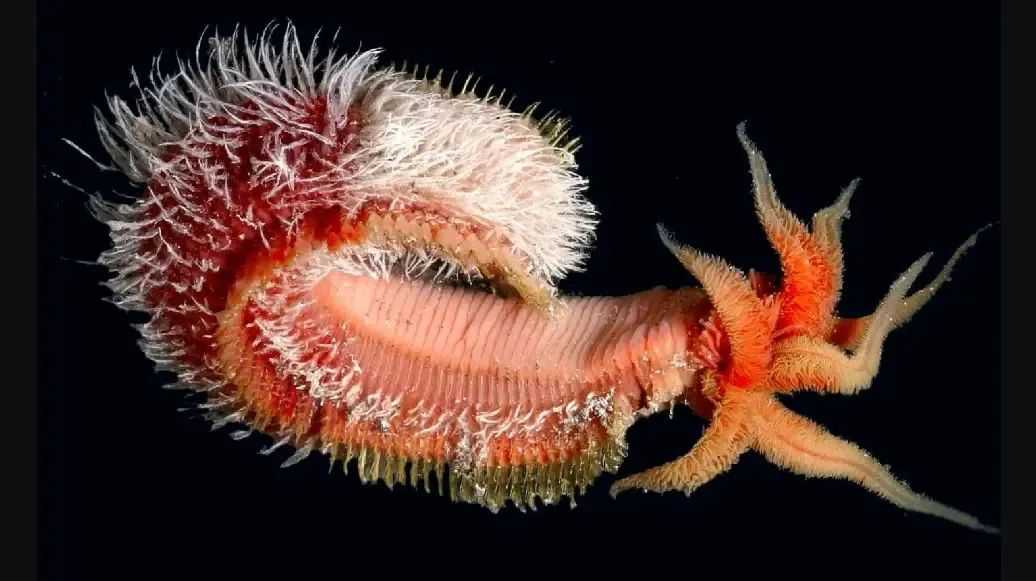
The Heat - Tolerant Pompeii Worm: A Marvel of the Deep - SeaThe Heat - Tolerant Pompeii Worm: A Marvel of the Deep - Sea
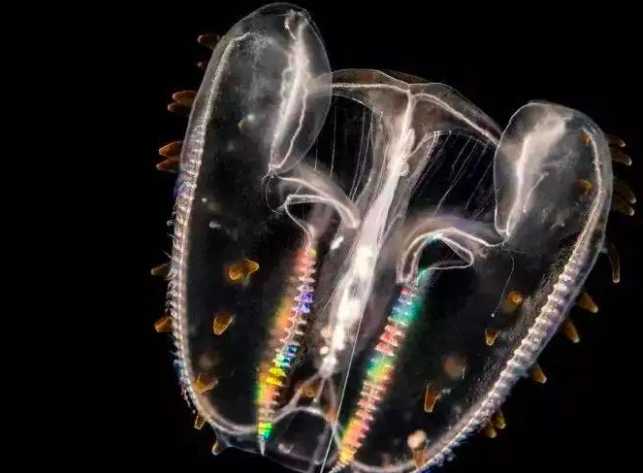
Comb Jellies: Mysterious Transparent Wonders of the OceanComb Jellies: Mysterious Transparent Wonders of the Ocean
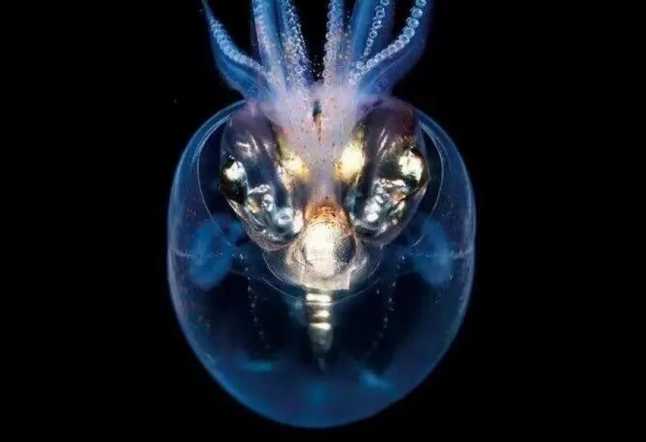
Glass Squid: The Transparent Predators of the Tropical DepthsGlass Squid: The Transparent Predators of the Tropical Depths
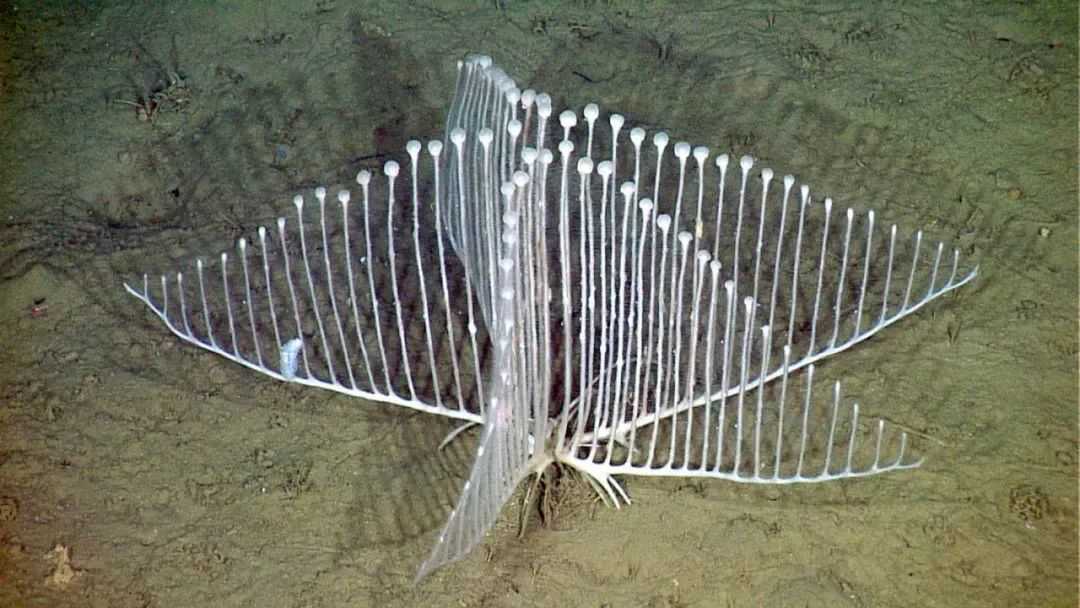
The Enigmatic Harp Sponge: A Carnivorous Wonder of the DeepThe Enigmatic Harp Sponge: A Carnivorous Wonder of the DeepIn the mysterious depths of the ocean, a unique and fascinating creature known as the harp sponge exists. As its name implies, this remarkable organism bears a striking resemblance to a harp, with a structure that sets it apart from the typical image of a sponge.
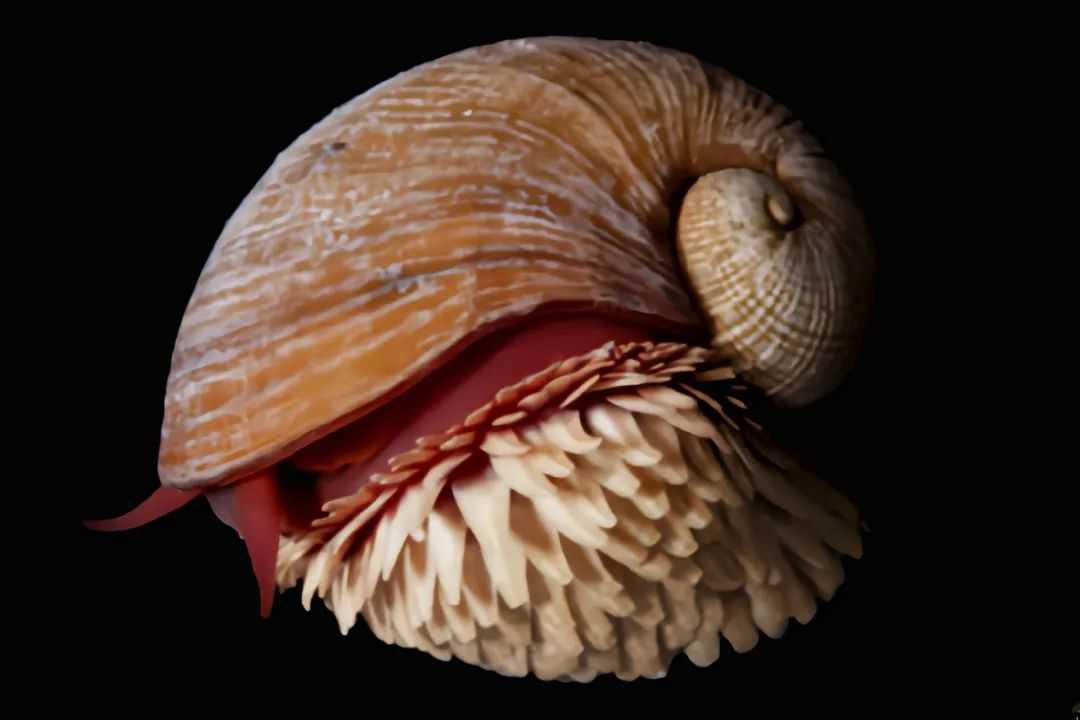
The Scaly - Foot Gastropod: Nature's Metallic - Shelled MarvelThe Scaly - Foot Gastropod: Nature's Metallic - Shelled MarvelIn the vast tapestry of the natural world, the scaly - foot gastropod stands out as a true anomaly. It is the only known animal in nature to possess a metallic shell, a feature that makes it seem like a living, breathing relic from a fantastical realm. This extraordinary creature defies expectations with its unique adaptations.
The Bobbit Worm: Ocean’s Deadly Ambush PredatorThe Bobbit Worm: Ocean’s Deadly Ambush PredatorIn the depths of tropical seas lurks Eunice aphroditois, better known as the Bobbit worm—a creature so fearsome it’s dubbed “the true worm of hell.” With a body stretching up to 3 meters, this marine predator hides beneath sandy seabeds, using its five bioluminescent tentacles as lures, ready to unleash a deadly surprise on unsuspecting prey.
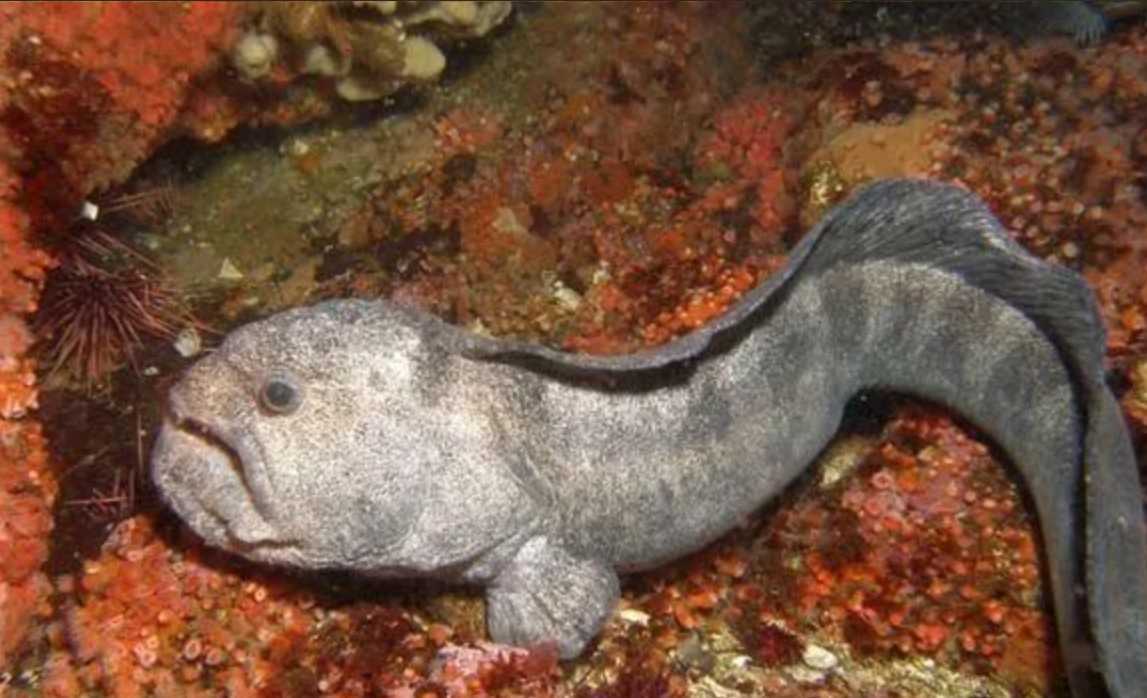
The Enigmatic Wolf Fish: Masters of the Cold - Water DepthsThe Enigmatic Wolf Fish: Masters of the Cold - Water DepthsIn the frigid waters of the Atlantic and North Pacific Oceans dwells the remarkable wolf fish, a species reaching up to 1.5 meters in length and belonging to the order Anarhichadiformes. The Atlantic wolffish, commonly known as the ocean catfish, and the Bering wolffish are its prominent representatives, each adapted to distinct underwater habitats.
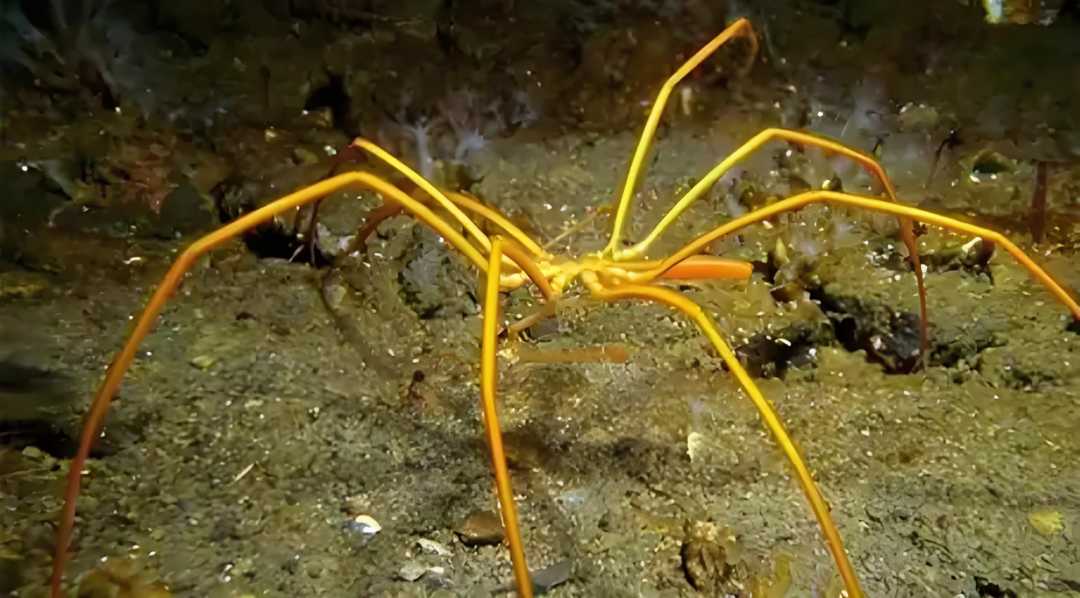
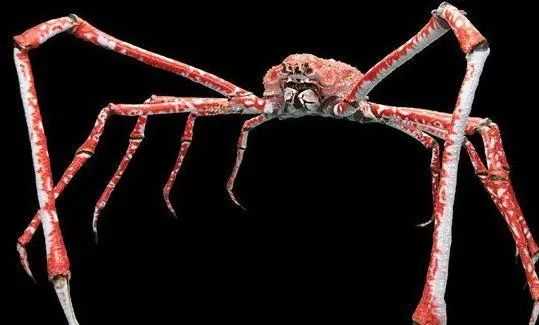
The Enormous Japanese Spider Crab: A Living Marvel of the Deep-Sea RealmThe Enormous Japanese Spider Crab: A Living Marvel of the Deep-Sea RealmAs the largest crab species on Earth, it belongs to the spider crab family and has adapted to life on the ocean floor, where it navigates the harsh environment with its distinct crawling motion, resembling a giant, otherworldly spider.
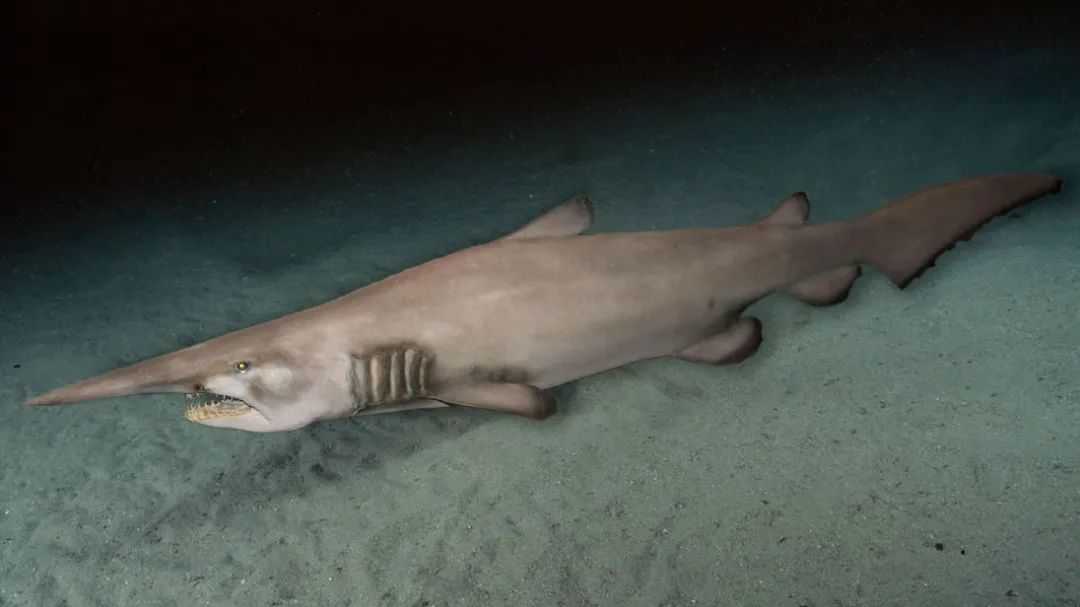
The Goblin Shark: A Slow - Moving Predator with a Deadly SurpriseThe Goblin Shark: A Slow - Moving Predator with a Deadly SurpriseLurking in the ocean's depths, the goblin shark, a large - sized benthic predator, earns its name from its distinctive protruding snout, which resembles a sharpened dagger. Despite its menacing appearance, this shark defies expectations with its flabby muscles and sluggish, almost lethargic swimming style, often seen leisurely drifting through the water.
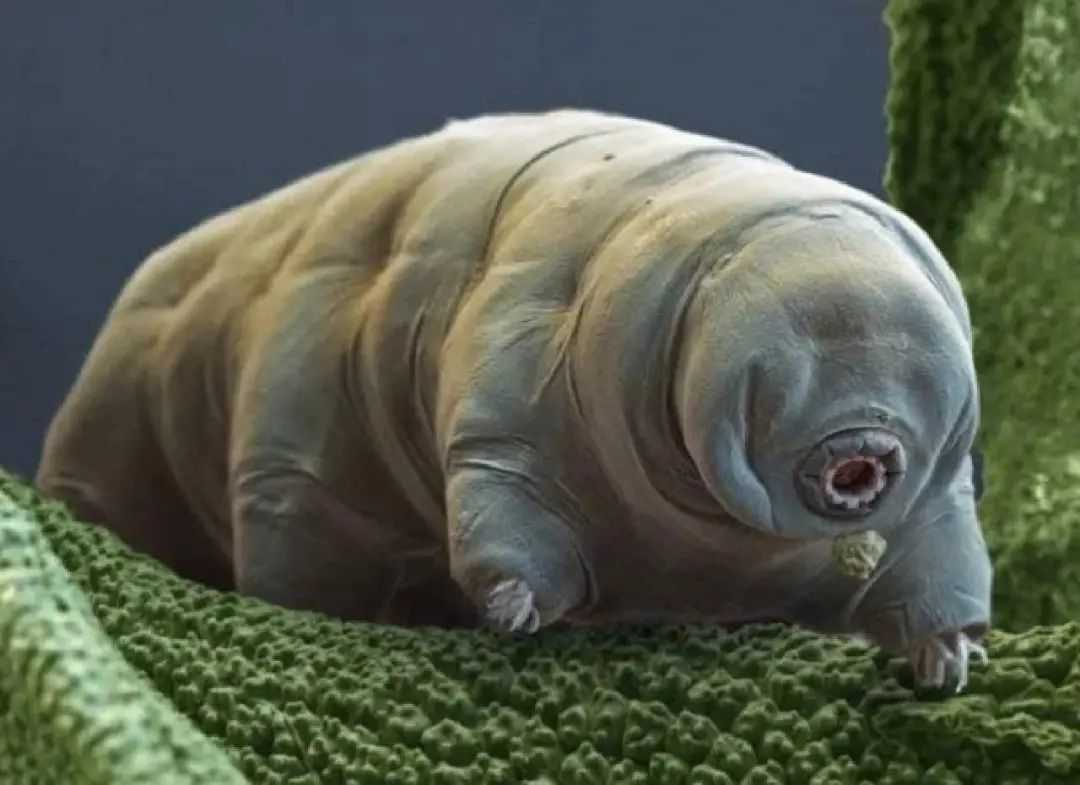
Tardigrades: The Indomitable Microscopic Marvels of LifeTardigrades: The Indomitable Microscopic Marvels of LifeKnown as water bears, tardigrades are minuscule, segmented creatures belonging to the phylum Tardigrada. With a history tracing back to the Cambrian period 500 million years ago, these microscopic beings have earned a reputation as some of the most resilient organisms on Earth. Their ability to withstand extreme conditions sets them apart in the natural world.
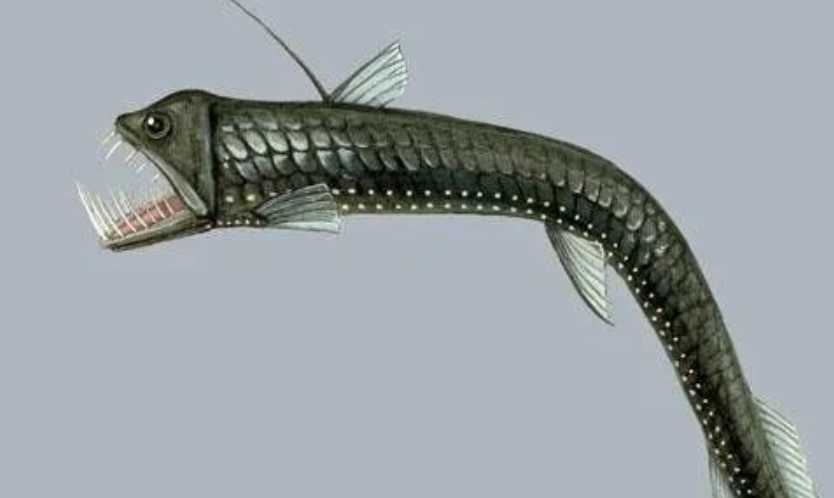
The Viperfish: Sinister Predator of the Deep Sea AbyssThe Viperfish: Sinister Predator of the Deep Sea AbyssIn the pitch - black depths of tropical to temperate oceans, the viperfish lurks, a small yet fearsome deep - sea fish measuring under 35 centimeters in length. Its appearance alone is enough to send shivers down one’s spine, embodying the stuff of nightmares with features that seem ripped from the pages of a horror story.
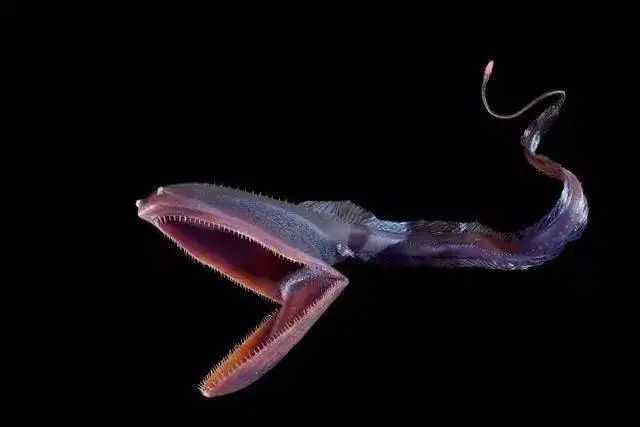
The Gulper Eel: Deep-Sea Predator with a Gargantuan AppetiteThe Gulper Eel: Deep-Sea Predator with a Gargantuan AppetiteDwelling in the abyssal depths, the gulper eel, or Eurypharynx pelecanoides, stands out as one of the ocean's most bizarre creatures. This deep-sea fish, reaching up to 1.8 meters in length, is instantly recognizable by its disproportionately large mouth and an elongated, whip-like tail that makes up three-quarters of its body. Its unusual anatomy defies typical fish morphology, hinting at a unique survival strategy in the harsh underwater environment.
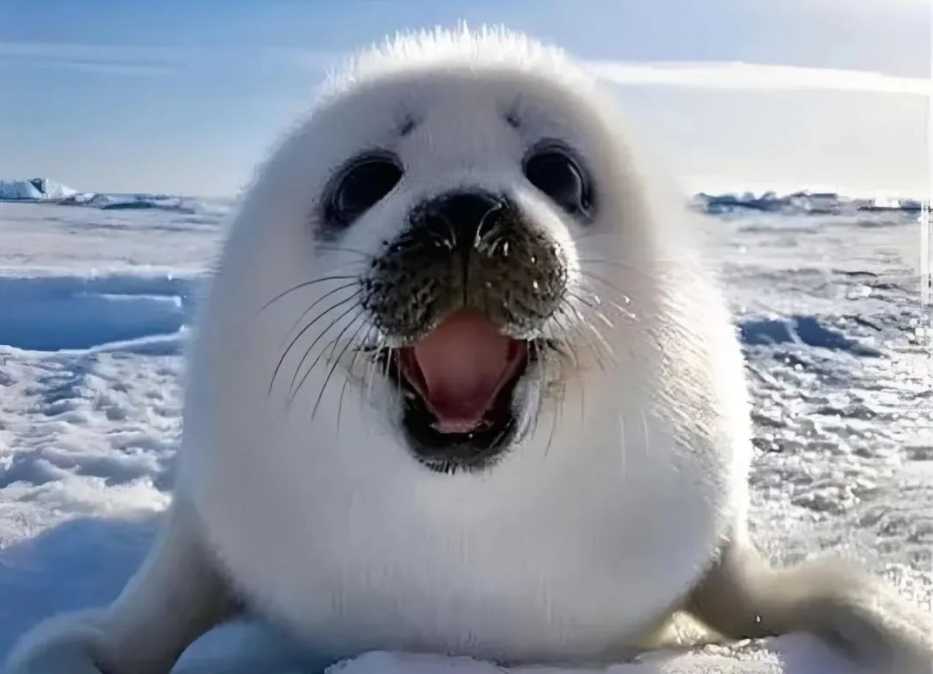
Arctic's Adorable Ambassadors: The Charming Harp SealsArctic's Adorable Ambassadors: The Charming Harp SealsIn the icy expanse of the Arctic Ocean, harp seals thrive as remarkable marine mammals. Measuring around 1.7 meters in length and weighing approximately 130 kilograms as adults, these creatures navigate the frigid waters with grace. Feeding primarily on fish and crustaceans, they have adapted uniquely to their harsh, polar habitat.
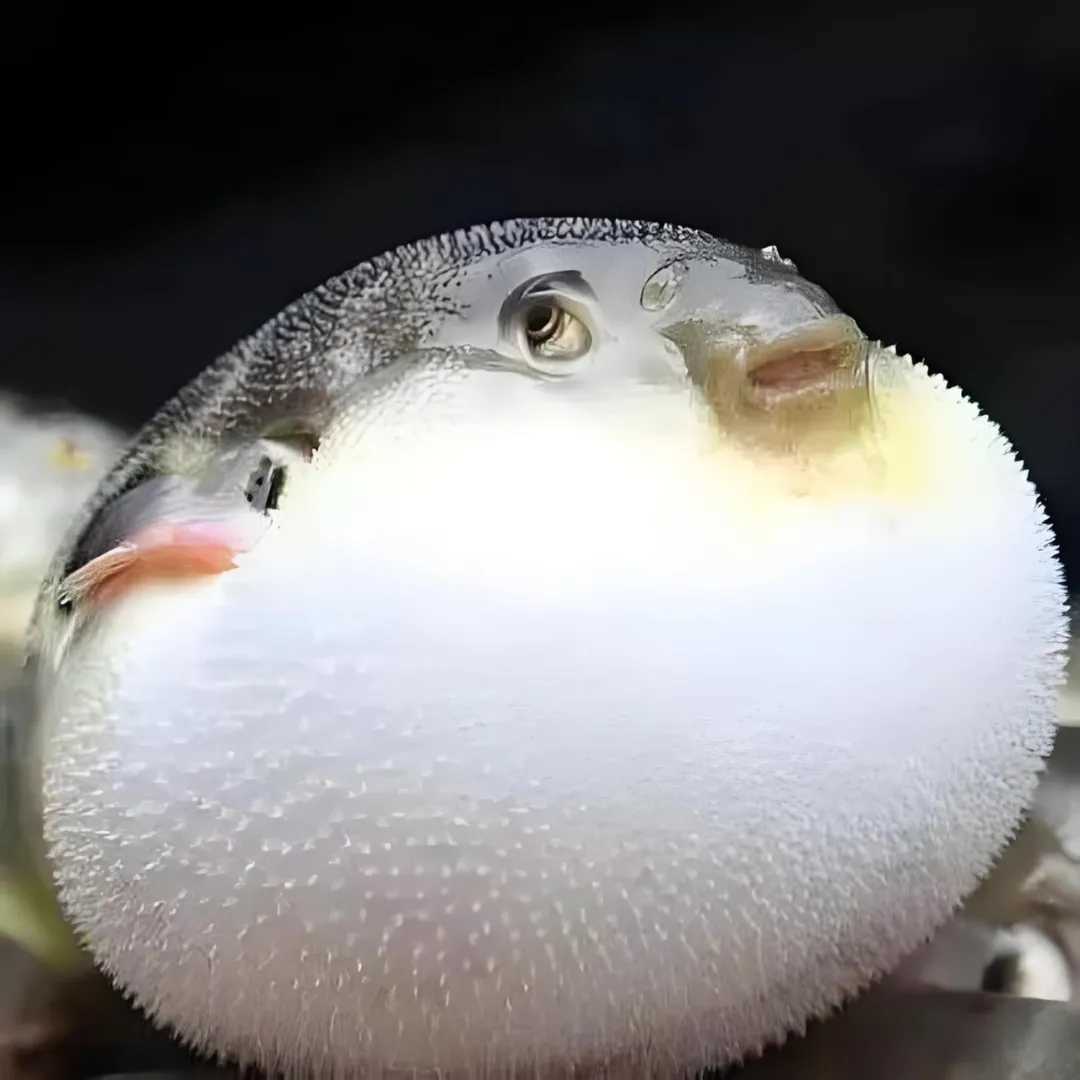
The Charming yet Deadly Pufferfish: A Marvel of the SeasThe Charming yet Deadly Pufferfish: A Marvel of the SeasIn the temperate and tropical waters of the world's oceans, the pufferfish, with its distinctive cylindrical body and measuring 15 to 30 centimeters in length, gracefully navigates its marine habitat. Feeding mainly on shellfish and algae, this unassuming creature has evolved a unique and captivating survival strategy that sets it apart from other sea dwellers.
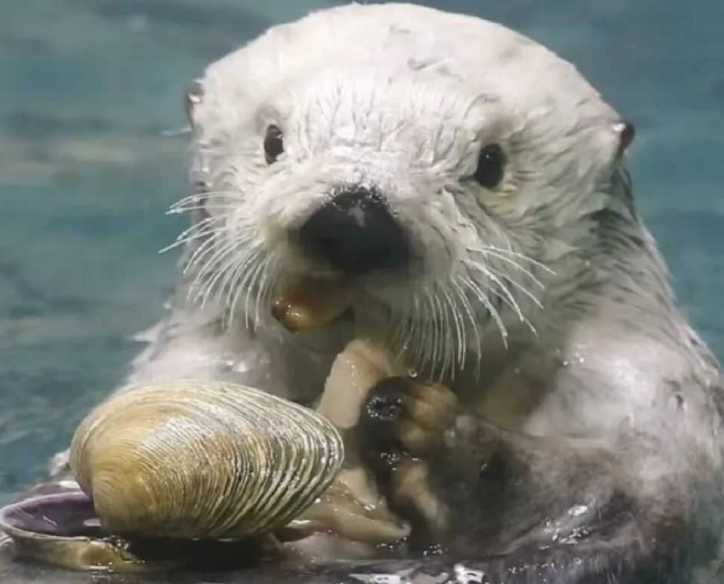
The Playful Engineers of the North Pacific: Adorable Sea OttersThe Playful Engineers of the North Pacific: Adorable Sea OttersIn the chilly waters of the North Pacific, sea otters—charismatic marine mammals—thrive. Measuring 1 to 1.5 meters in length and weighing 20 to 45 kilograms, these creatures are renowned for their love of shellfish and sea urchins, which they hunt while floating on their backs in a seemingly carefree manner. Their unique lifestyle and endearing appearance make them a beloved sight in coastal ecosystems.
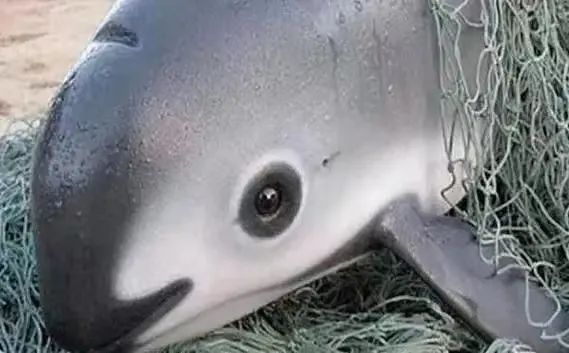
The Vaquita: Mexico’s Critically Endangered "Sea Panda"The Vaquita: Mexico’s Critically Endangered "Sea Panda"Native to Mexico’s Gulf of California, the vaquita is a tiny porpoise with a big heart—and an even bigger fight for survival. Measuring about 1.5 meters in length and weighing around 50 kilograms, this shy marine mammal subsists on small fish and squid. Tragically, it holds the distinction of being the world’s most endangered cetacean, with fewer than 20 individuals remaining in the wild.
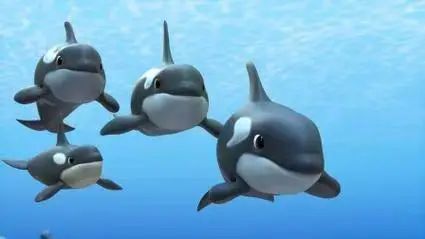
Orcas: The Majestic Apex Predators with a Playful DemeanorOrcas: The Majestic Apex Predators with a Playful DemeanorContrary to their name, orcas—often called killer whales—are the largest members of the dolphin family, inhabiting every ocean on Earth. Ranging from 6 to 9 meters in length and weighing 5 to 6 tons, these marine mammals are formidable apex predators, preying on fish, seals, and even larger whales. Their global distribution and unique social structures make them one of the ocean’s most fascinating species.
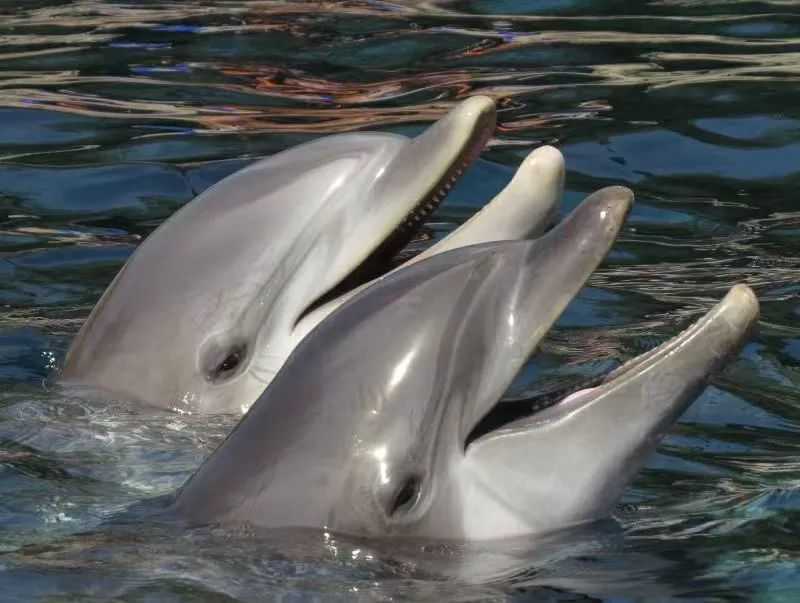
The Friendly Faces of the Sea: Bottlenose DolphinsThe Friendly Faces of the Sea: Bottlenose DolphinsWidely distributed in tropical to temperate oceans, bottlenose dolphins (Tursiops truncatus) are beloved for their intelligence and approachable demeanor. Ranging from 2 to 4 meters in length, these marine mammals feed primarily on fish and squid, navigating coastal waters and open seas with remarkable agility. Their iconic appearance and social nature make them a favorite among marine enthusiasts worldwide.
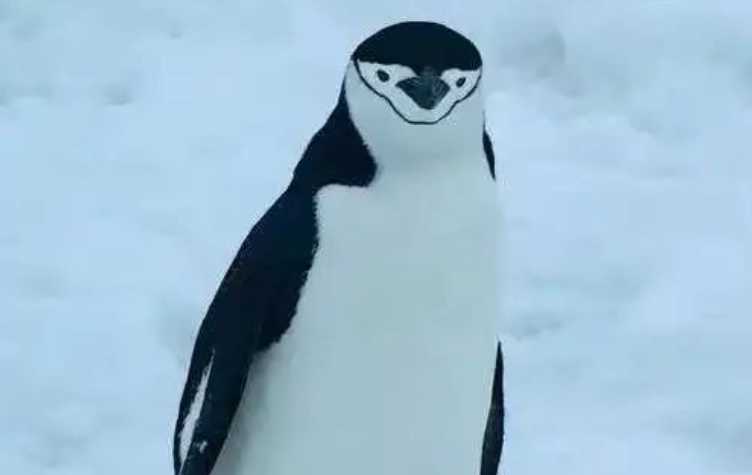
The Dapper "Gentlemen" of the Antarctic: Chinstrap PenguinsThe Dapper "Gentlemen" of the Antarctic: Chinstrap PenguinsInhabiting the windswept islands surrounding Antarctica, chinstrap penguins (Pygoscelis antarctica) are small yet striking birds perfectly adapted to life in the harsh southern polar region. Standing about 70 centimeters tall, these penguins thrive on a diet of krill and small fish, navigating icy waters and rocky shores with equal ease. Their distinctive appearance makes them one of the most recognizable species in the Antarctic ecosystem.