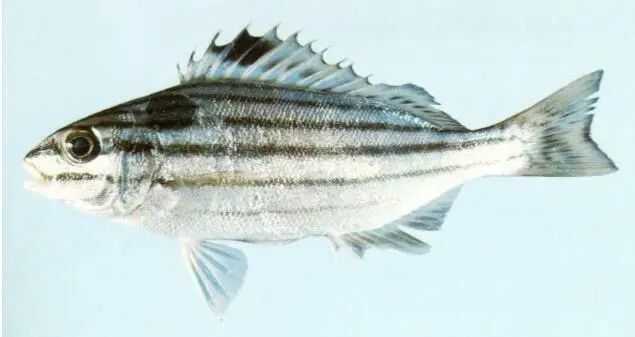
Pelates sexlineatus: The Six - Striped Grunter of Australian WatersPelates sexlineatus: The Six - Striped Grunter of Australian Waters
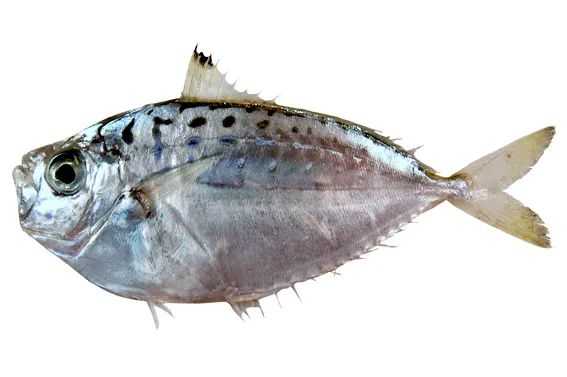
Secutor insidiator: The Broad-Bodied Ponyfish of Tropical SeasSecutor insidiator: The Broad-Bodied Ponyfish of Tropical Seas
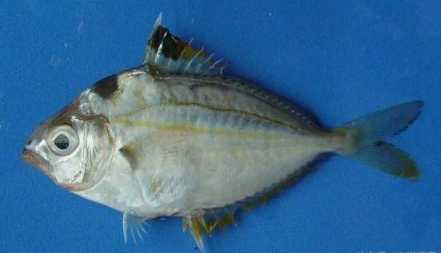
Equulites rivulatus: The Collared Ponyfish of Tropical ShoresEquulites rivulatus: The Collared Ponyfish of Tropical Shores
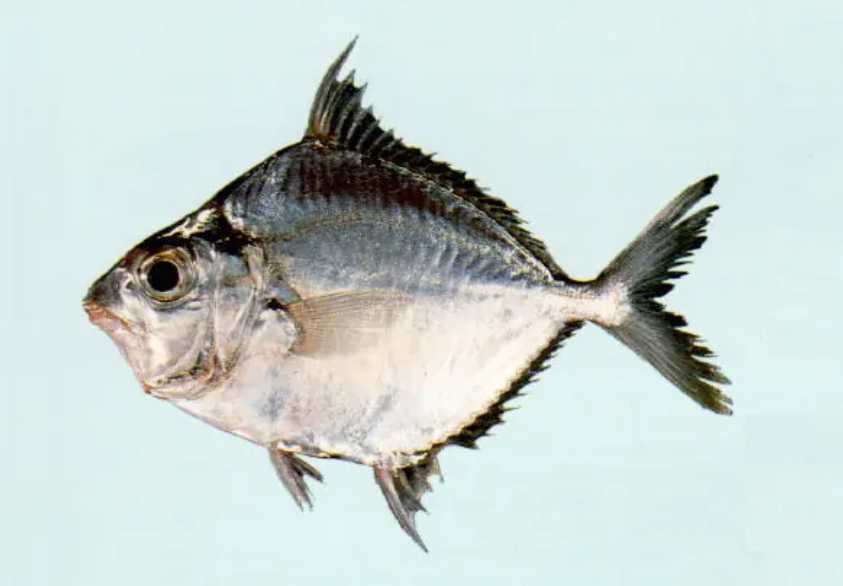
Leiognathus brevirostris: The Short-Snouted Ponyfish of Shallow SeasLeiognathus brevirostris: The Short-Snouted Ponyfish of Shallow Seas
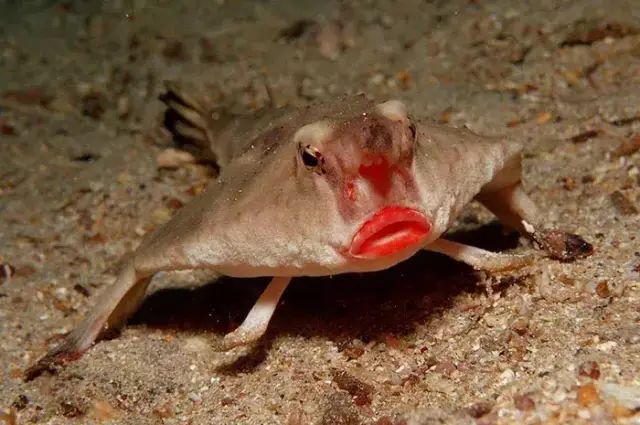
The Galapagos Walking Fish: A Species That 'Walks' on the Ocean Floor Instead of SwimmingThe Galapagos Walking Fish: A Species That 'Walks' on the Ocean Floor Instead of SwimmingDiscovered in the diverse marine ecosystems of the Galapagos Islands, a unique fish species has astonished scientists with its unconventional locomotion: rather than swimming, it "walks" along the ocean floor using modified pectoral fins. This extraordinary creature, known as the red-lipped batfish (Ogcocephalus darwini), exemplifies the bizarre adaptations that evolve in isolated environments like the Galapagos.
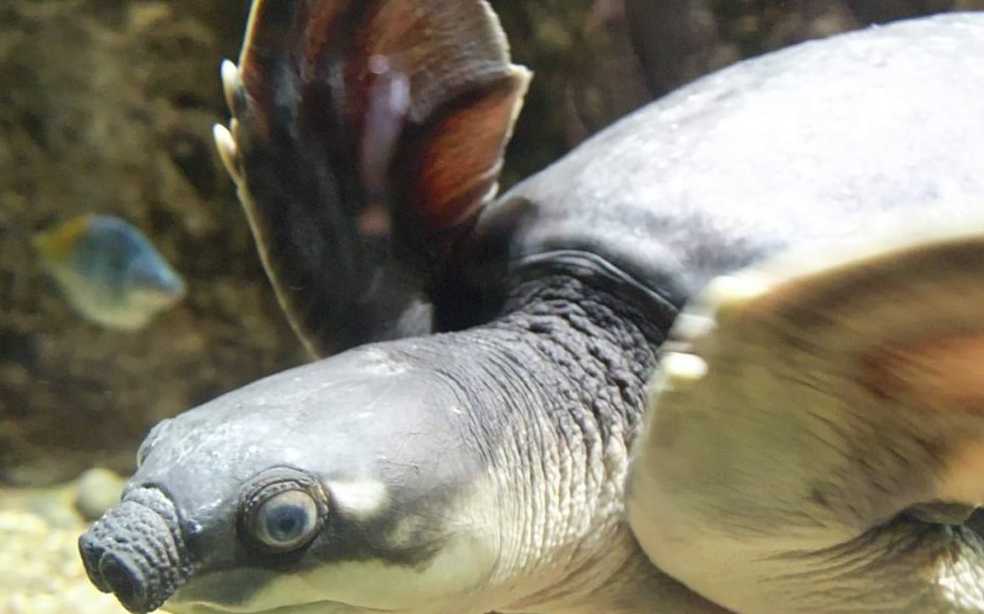
The Pig-Nosed Turtle: A Unique Reptile Named for Its Snout, Easy to Keep but Prone to IllnessThe Pig-Nosed Turtle: A Unique Reptile Named for Its Snout, Easy to Keep but Prone to IllnessNative to freshwater rivers and lakes in northern Australia and New Guinea, the pig-nosed turtle (Carettochelys insculpta), aptly named for its pig-like snout, stands out among aquatic turtles for its distinctive appearance and paradoxical care requirements. While often praised as a manageable pet for reptile enthusiasts, this species also has a reputation for susceptibility to health issues, making it a fascinating yet challenging creature to maintain.
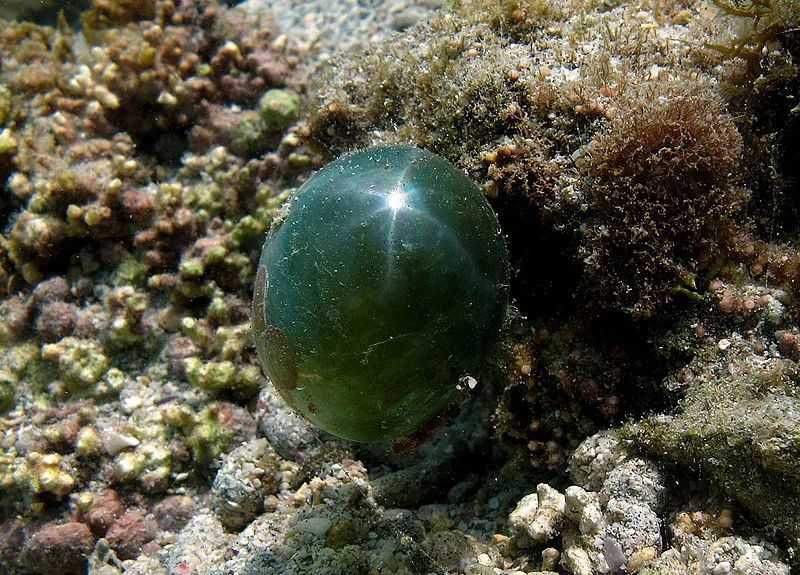
The Bubble Alga: Nature’s Giant Single-Celled Marvel Floating in Tropical SeasThe Bubble Alga: Nature’s Giant Single-Celled Marvel Floating in Tropical SeasKnown as the "bubble alga" or "sailor’s eyeball," Valonia ventricosa is a remarkable marine alga and one of the largest single-celled organisms on Earth. Thriving in tropical and subtropical oceans, this spherical green alga has fascinated biologists for its unique structure—each "bubble" is a single cell that can grow up to 5 centimeters in diameter, defying conventional notions of cellular size.
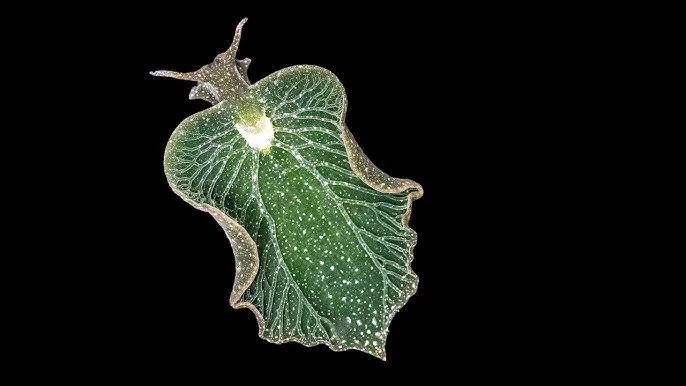
The Leaf Sheep Slug: Nature’s Photosynthetic Marvel That 'Steals' Chloroplasts to SurviveThe Leaf Sheep Slug: Nature’s Photosynthetic Marvel That 'Steals' Chloroplasts to SurviveThe leaf sheep slug (Elysia chlorotica), a marine gastropod, defies biological norms by hijacking chloroplasts from algae and using them for photosynthesis—allowing it to go 9 to 10 months without eating. This extraordinary ability, known as kleptoplasty, has made it a celebrity in the scientific world, blurring the line between animal and plant.
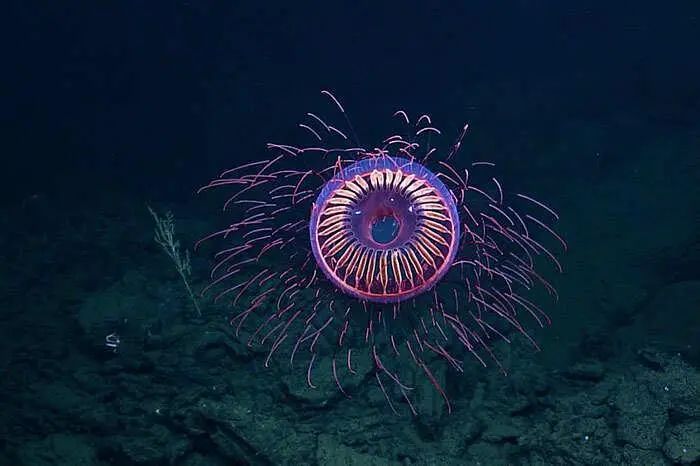
The Fireworks Jellyfish: Deep-Sea Marvel Illuminating 1,200–1,500 Meters Below the SurfaceThe Fireworks Jellyfish: Deep-Sea Marvel Illuminating 1,200–1,500 Meters Below the SurfaceDiscovered in the pitch-black abyssal zone, the fireworks jellyfish (Halitrephes maasi) earns its name from its spectacular bioluminescent display—vibrant orange and pink tentacles that explode like celestial pyrotechnics in the ocean’s darkest depths. Thriving between 1,200 and 1,500 meters, this gelatinous creature has captivated marine biologists with its otherworldly appearance and mysterious life cycle.
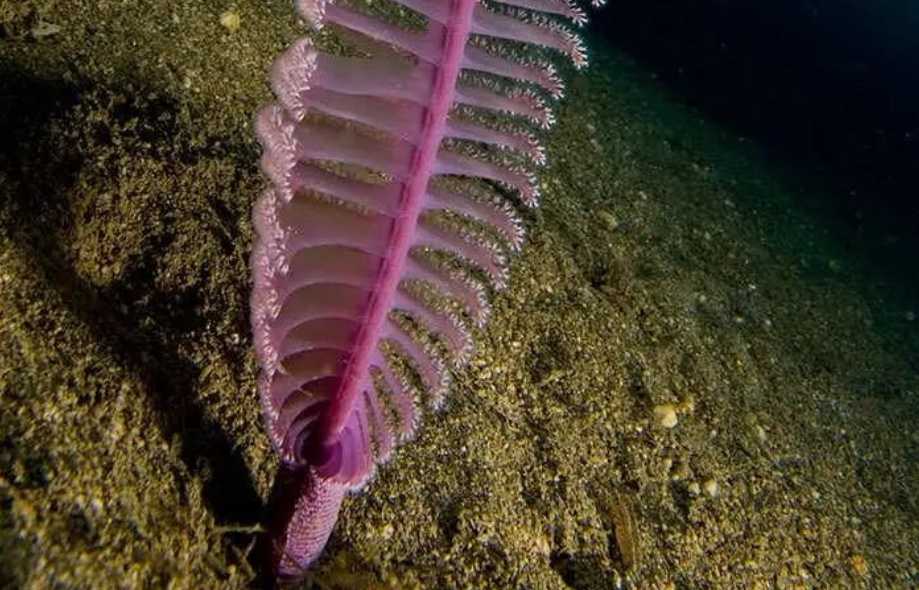
The Sea Pen: Ocean’s Feathery Colonial Wonder Filtering Plankton from the DepthsThe Sea Pen: Ocean’s Feathery Colonial Wonder Filtering Plankton from the DepthsRecognized for its striking resemblance to a quill pen, the sea pen is a colonial marine invertebrate that thrives in shallow to deep ocean waters. Composed of hundreds to thousands of polyps, these colonial organisms form feather-like structures, using their unique anatomy to capture plankton and thrive in diverse marine environments.
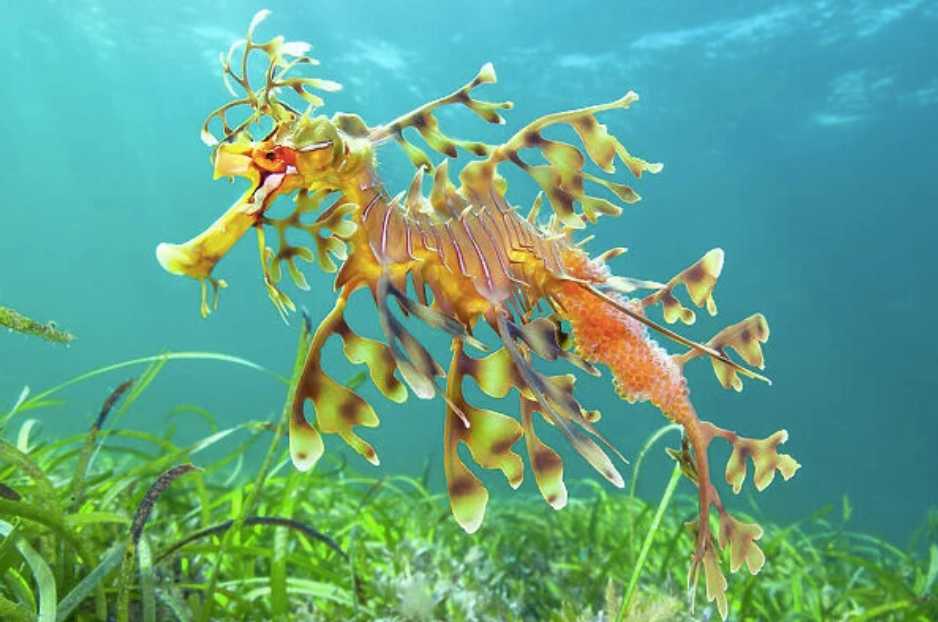
The Leafy Sea Dragon: Master of Marine Camouflage from Australia’s Coastal WatersThe Leafy Sea Dragon: Master of Marine Camouflage from Australia’s Coastal WatersBelonging to the genus Phycodurus within the seadragon family (Syngnathidae), the leafy sea dragon is a remarkable fish adapted to life along the southern and western coasts of Australia. Recognized for its elaborate leaf-like appendages, this species has evolved one of nature’s most extraordinary camouflage strategies, blending seamlessly with oceanic vegetation.